
Unusual Conversations. Bold Solutions.
Speakers
Seventeen voices framing the conversation

Aishah N. Ahmad, CFA, OFR
Founder, Bridgforte

Dr Ngozi Okonjo-Iweala
Director-General, World Trade Organization

Zainab Ahmed
Executive Director, World Bank
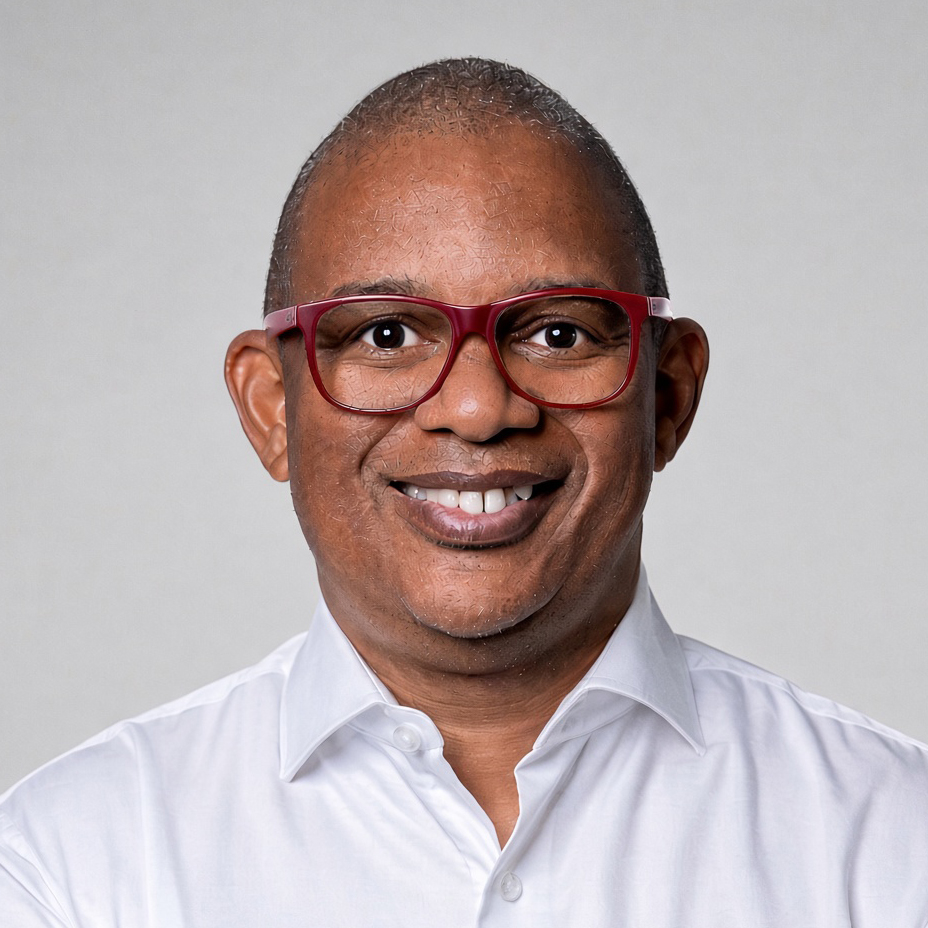
Lincoln Mali
CEO, Lesaka Technologies
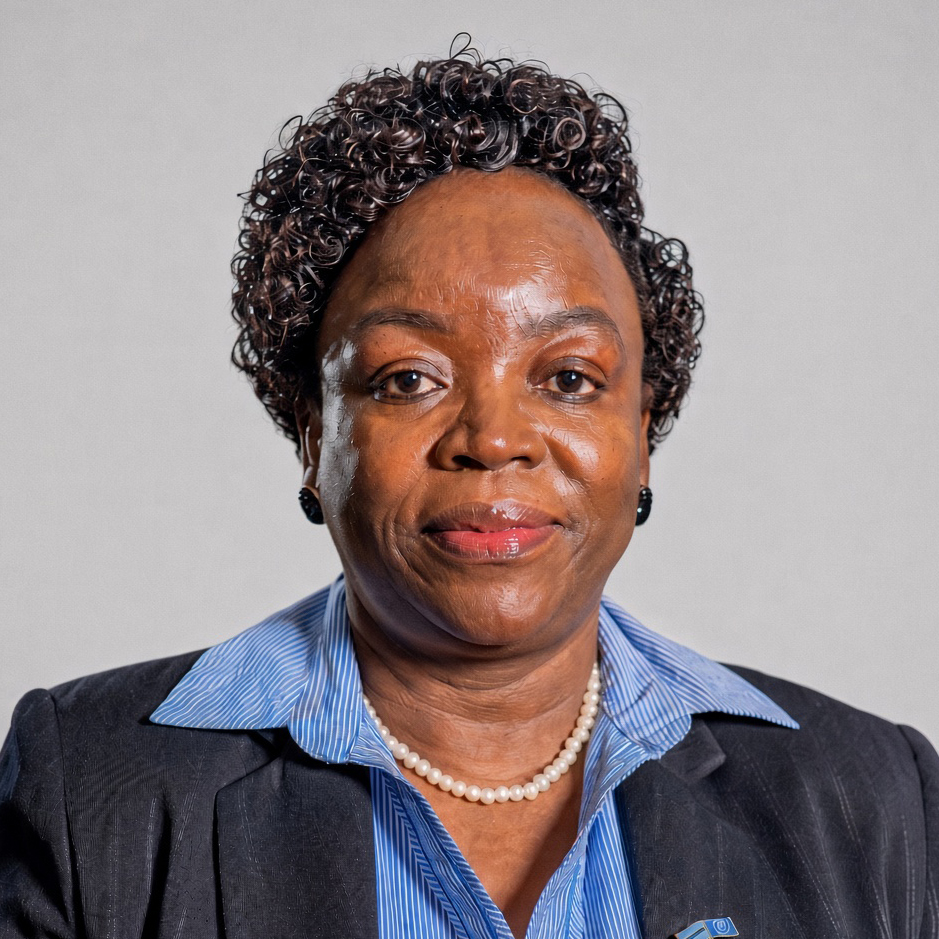
Dr. Agnes Tsholofelo Khunwana
Deputy Governor, Bank of Botswana
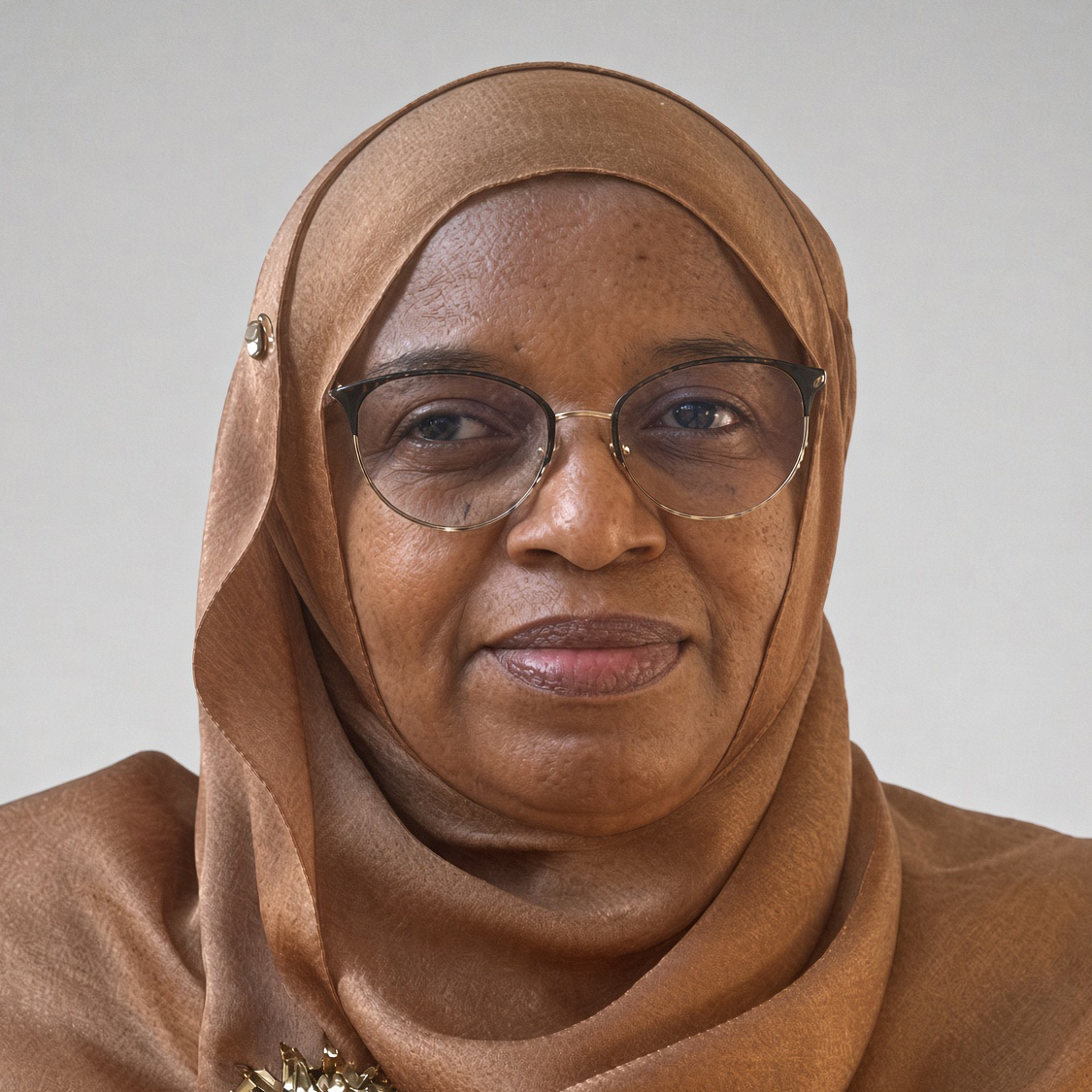
Sauda Msemo
Deputy Governor for Financial Stability and Deepening, Bank of Tanzania

Darius Kingsley
Head of Consumer Fraud and Scam Prevention, JPMorganChase
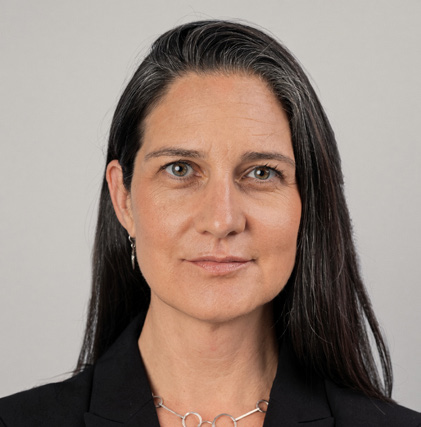
Tamara Cook
Director, Office of the UNSGSA for Financial Health
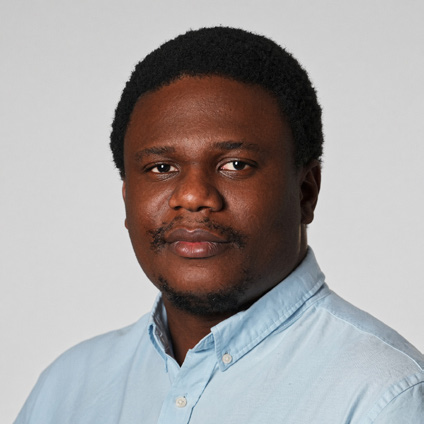
Tosin Eniolorunda
CEO, Moniepoint

Olugbenga “GB” Agboola
CEO and Co-Founder, Flutterwave
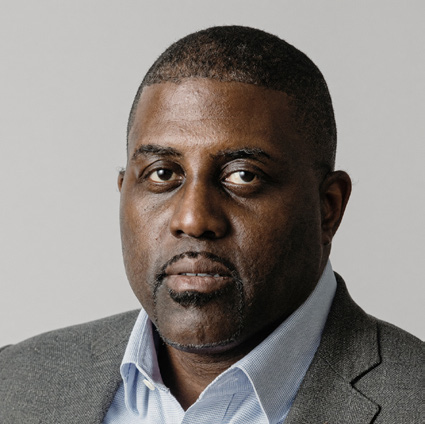
Yinka Adegoke
Africa Editor, Semafor
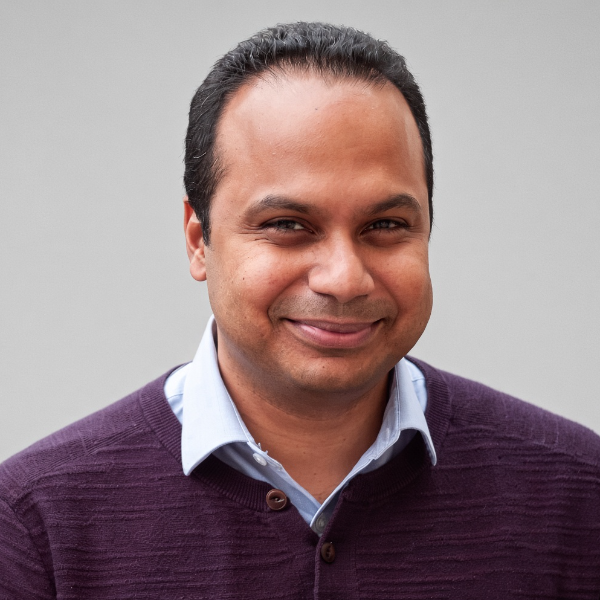
Kabir Kumar
Director of Policy and Ecosystem, Flourish Ventures

Professor Olayinka David-West
Associate Dean, Lagos Business School
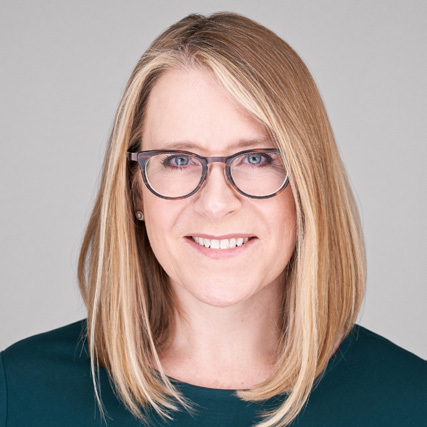
Kate Griffin
Director of Inclusive Finance, Aspen Institute Financial Security Program

Anna Gincherman
Founding Partner, ConsumerCentriX
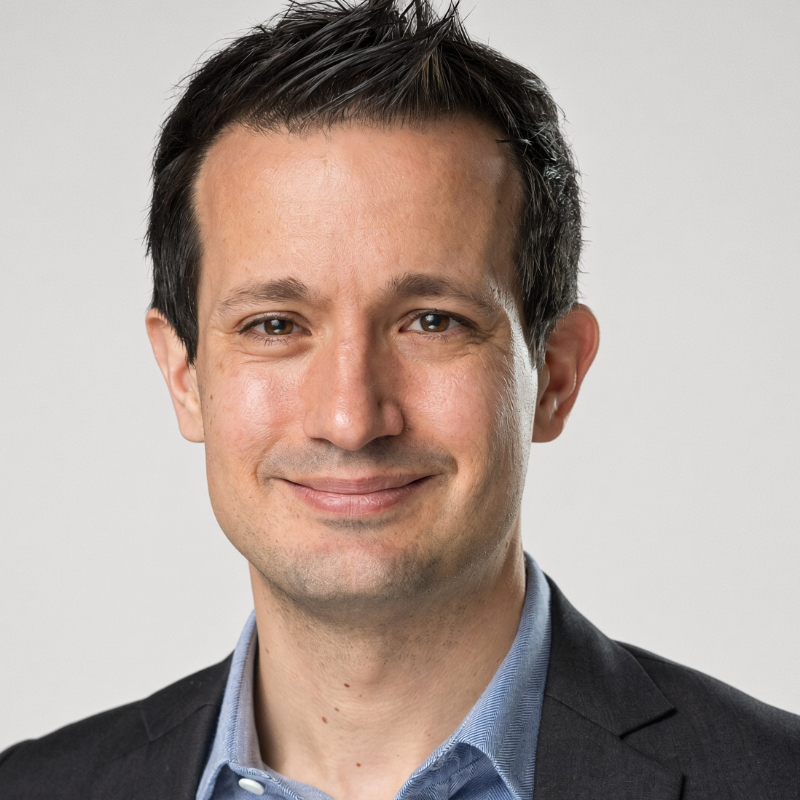
John Tully
Managing Partner, Strategy Live
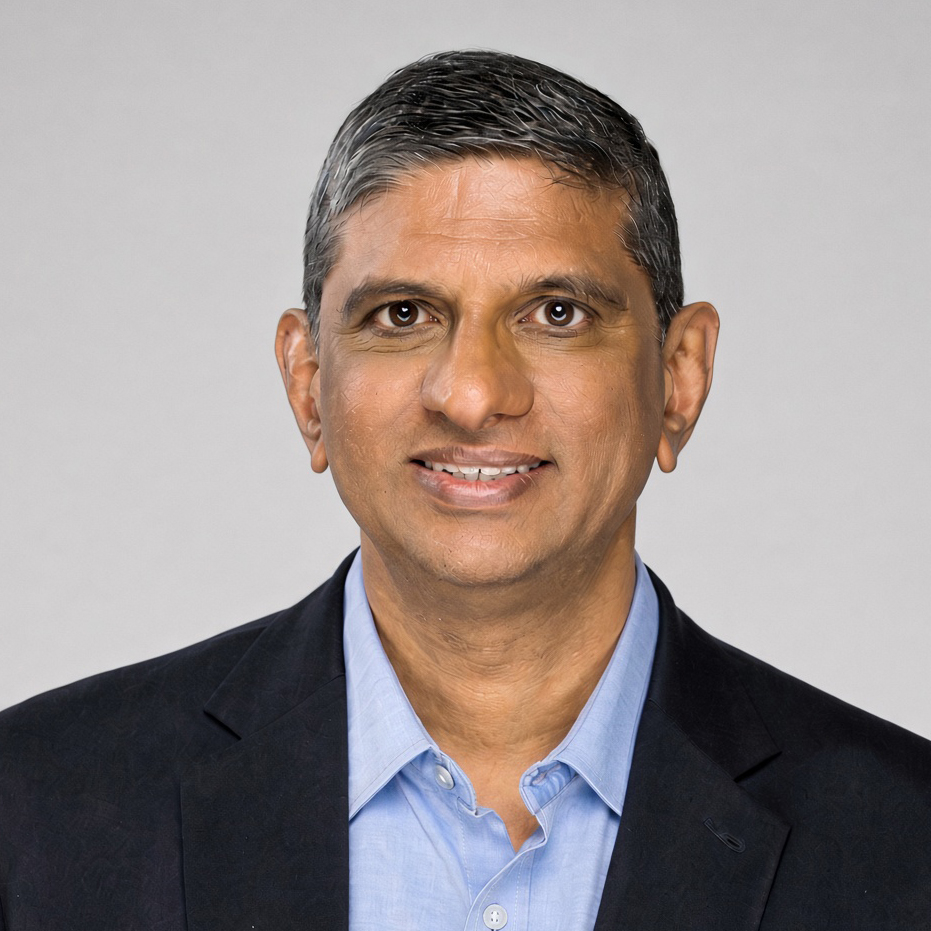
Sanjay Jain
Director, Digital Public Infrastructure, Gates Foundation
In Partnership With


Overview
Trust in financial systems is not a matter of conduct or communication. It is economic infrastructure, and it is a property of design.
Two decades of digital financial transformation have delivered an extraordinary expansion in financial access. Mobile money, real-time payment rails, digital identity and a generation of new providers have brought billions of people into formal finance, moving fastest in the markets the traditional system served least. Nearly four in five adults now hold an account.
At the same time, finance has become interconnected and platform-led, and the system that emerged is structurally different from the one the rules were written for. A single customer journey now passes through several institutions, shared infrastructure providers and automated decisions before it completes. Regulation, risk management and performance measurement still attach largely to individual institutions, while the outcomes that matter to people are produced between them. This is true wherever the transformation has run furthest, and it is not confined to emerging markets.
This is where the next phase will be decided, and the evidence is that confidence has not kept pace with access. Accounts sit dormant. Cash remains the default in markets where the infrastructure has long since arrived. The failures reported as most damaging are not the dramatic ones but the ordinary ones: the transaction that fails, the dispute that is never resolved, the remedy that arrives too late or not at all. Fraud migrates across the same interconnected rails that carry legitimate value, reaching new markets faster than protections follow. No single provider can resolve this alone and no regulator can supervise it piecemeal.
Format
Form
Three conversations of approximately twenty minutes each, between senior figures with a moderator holding the question. There are no panels and no breakout groups. The floor is open between conversations.
Timing
Reception from 6.30pm. Programme from 7.00pm to 8.30pm. The room remains open until 9.00pm.
Attribution
The conversations will be recorded for later publication. Contributions from the floor are not attributed without consent.
The Conversation
Three exchanges, each running for around twenty minutes and holding senior figures to one central question on trust in a transforming financial system.
The three questions follow the relationships through which confidence is produced and tested: between institutions and their regulators, between institutions themselves, and between institutions and the people they serve.
Who is accountable when no participant controls the whole?
Safeguarding confidence in the financial system is a public mandate. Yet responsibility for a single customer journey is now distributed across a chain in which no institution sees the full path and no supervisor holds a complete view of it. Where does the duty sit, what can supervision actually see, and what would have to change for accountability to follow the customer rather than the licence?
What has to be built together that no institution can build alone?
Identity, fraud intelligence and recourse function as shared architecture in practice while remaining privately owned and separately governed. The result is that criminal networks move across institutional boundaries with a fluency the industry has yet to match. Which capabilities should now be treated as common infrastructure, and what commercial and legal arrangements would make that possible?
How would we know whether people trust the system?
Access, usage and stability are measured continuously. Confidence is not, and the failures that most damage it are ordinary rather than dramatic: the transaction that fails, the dispute that is never resolved, the remedy that arrives too late. Every institution believes its customers trust it. What would it take to know, and what would follow from finding out?
Participants
Fifty senior participants, convened by invitation
Policymakers and financial regulators from Africa, Asia, Europe and the Americas will sit alongside development finance executives, philanthropic leaders, founders and executives building in financial technology and digital public infrastructure, consumer and civil society voices, and researchers and journalists working on these questions.
The convening is deliberately intimate, because the conversations that change institutional thinking happen in rooms small enough for disagreement. Supervisors rarely hear a platform leader answer the accountability question directly. Investors rarely hear a supervisor describe what supervision cannot see. Consumer advocates and infrastructure builders are rarely in the same room at all.
The exchanges that matter during High-Level Week tend to happen across sectors rather than within them, and participants are invited to speak candidly across institutional boundaries.
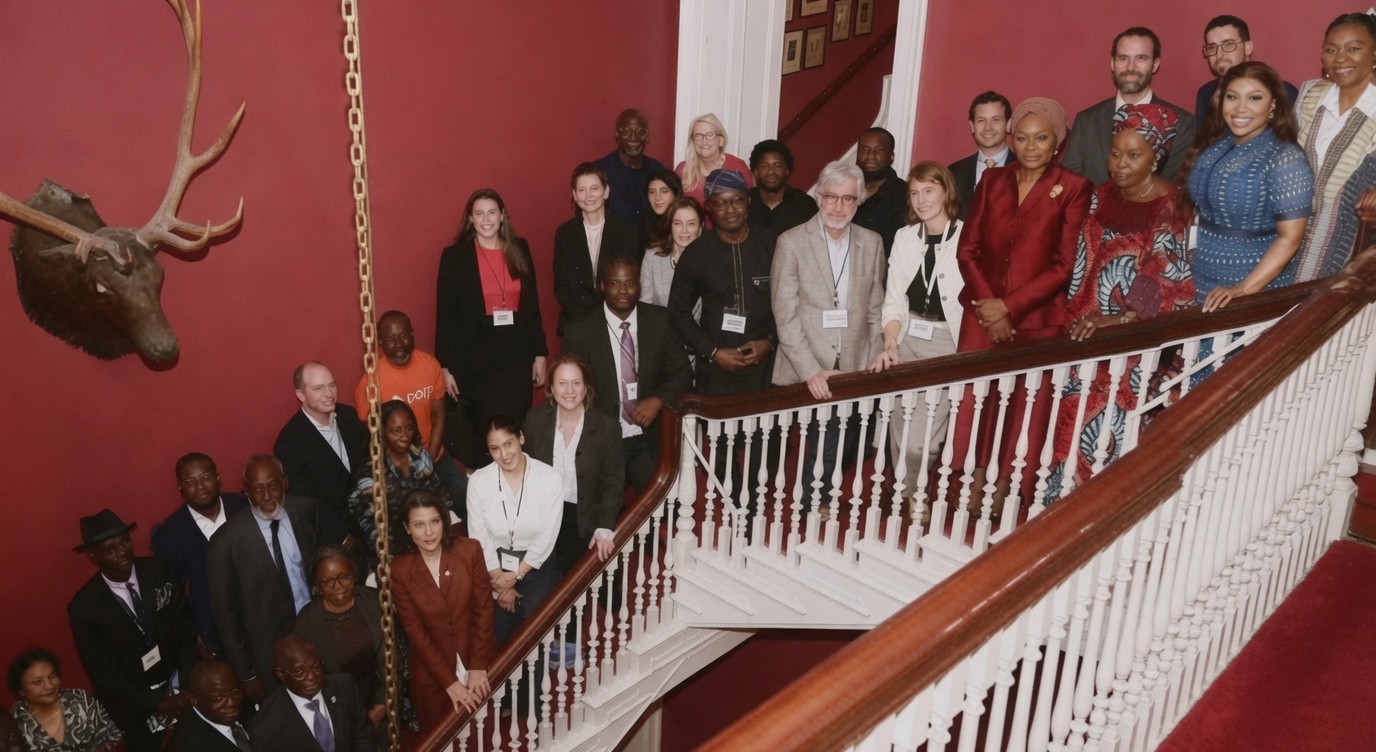
The Lineage of This Conversation
The second in the Bridgforte Dialogue series at the United Nations General Assembly


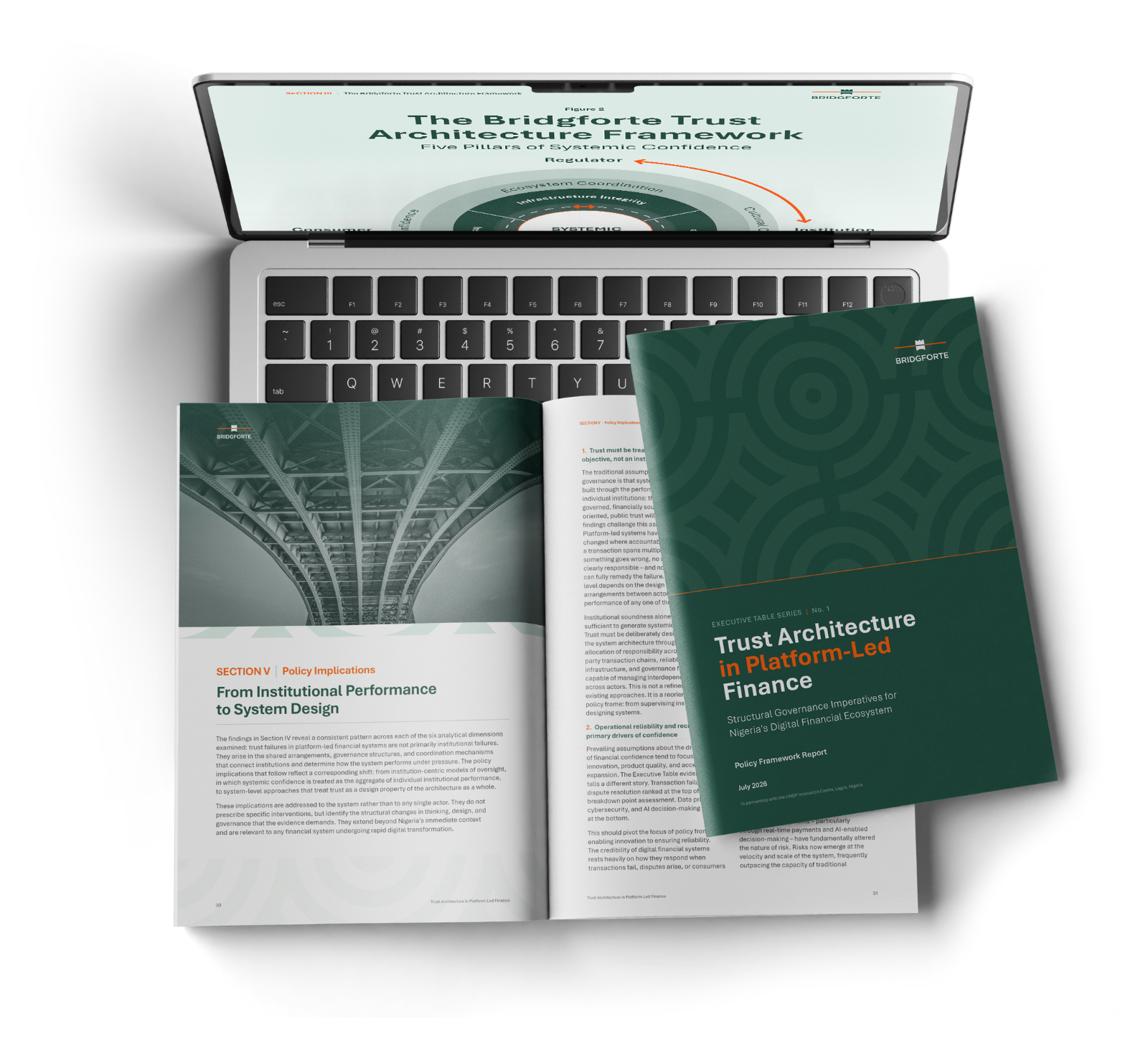
Africa stands at the frontier of this question, not as a recipient of systems designed elsewhere but as a co-architect of the ones that follow.
About Bridgforte
The Bridgforte Centre for Global Impact is a policy research and convening institution focused on the structural foundations of financial governance, inclusion and institutional design in Africa. It bridges divides between power and people, policy and practice, North and South.
The Bridgforte Dialogues are its convening series, bringing together people who hold the same problem from positions that rarely meet. Since UNGA 80, Bridgforte has engaged more than 100 senior leaders and over 50 institutions on the questions this work addresses. Its research on trust in platform-led finance is carried through the Bridgforte Trust Lab.
Attendance is by invitation
For enquiries about participation, partnership or press, write to the Dialogues team.
Thank you — your request has been received.
A member of the Dialogues team will be in touch. For anything urgent, write to dialogues@bridgforte.org.